

Last Updated: November 12, 2026
Quick Summary
Premium heritage apparel costs more because nearly every production stage carries extra expense, including heavier fabric, skilled construction with reinforced seams, ethical manufacturing practices, small-batch overhead, and retail markup. A brand's reliable signal of value is whether it can explain where the extra money went.
- Heavier, tighter-woven cloth typically costs more per yard than lighter fabric.
- Lasting garments take more skilled hours, with lined construction and reinforced seams.
- Small-batch overhead like sampling and grading spreads across fewer units, raising unit cost.
- Check seams like flat-felled stitching, bar tacks, and stitch density before trusting the price tag.
- Divide price by expected wears, factoring in repairs, to estimate the true cost per wear.
Table of Contents
- What Drives the Price of Heritage Apparel
- How to Tell If Clothes Are Well Made and What Cost Per Wear Reveals
- Choosing Durable Clothing That Lasts and Sustainable Men's Clothing Worth Buying
- Frequently Asked Questions
What Drives the Price of Heritage Apparel
Premium heritage apparel costs more because every stage of production can cost more. Fabric and sourcing: heavier, tighter-woven cloth typically costs more per yard, and smaller mills can impose minimum-order commitments. Labor and construction: lasting garments need skilled cutting, lined construction, reinforced seams, and more hours per unit, and ethical manufacturing adds cost, ethical manufacturing can add cost through fair wages and documented factory practices. Small-batch overhead: pattern grading, sample-making, photography, and per-style minimums spread across fewer units. Retail markup: retail markups can be substantial at every tier, and the reliable signal is whether a brand can explain specifically where the extra money went: which mill, which construction method, which factory. Supply-chain costs such as freight, duties, tariffs, insurance, and inventory carrying costs can all factor into the final price.
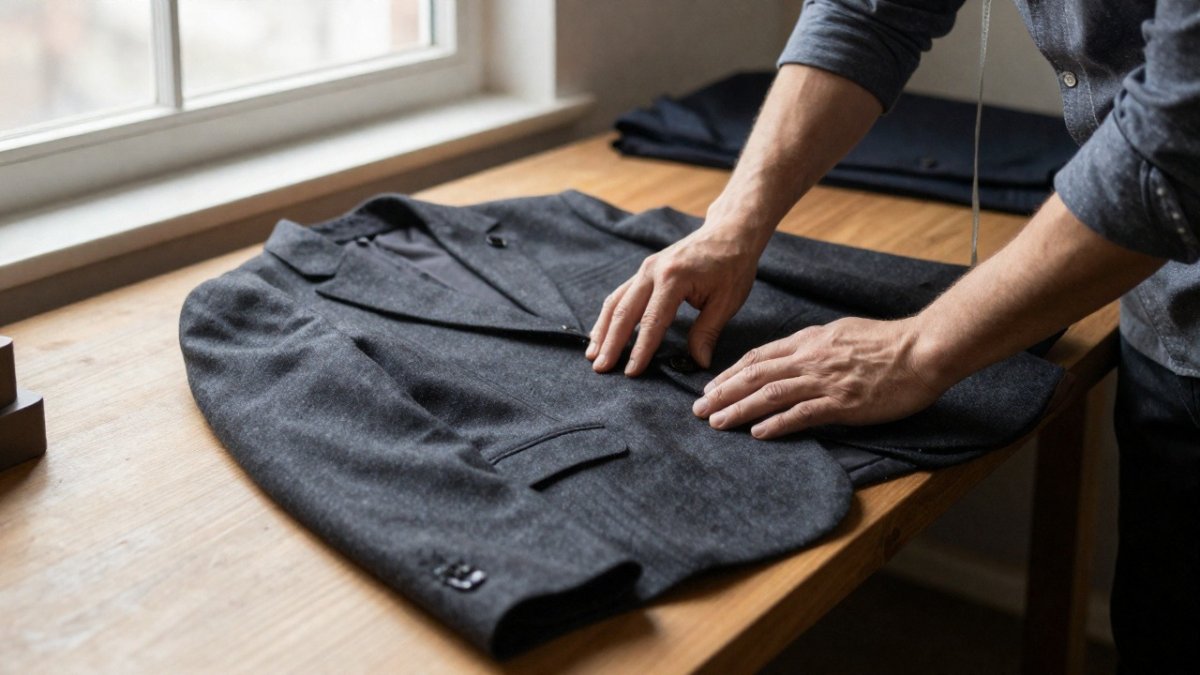
The article breaks the extra cost of premium heritage apparel into several stages of production.
| Cost factor | What it covers | Note |
|---|---|---|
| Fabric and sourcing | Heavier, tighter-woven cloth | Typically costs more per yard |
| Labor and construction | Skilled cutting, lined construction, reinforced seams | Takes more hours per unit |
| Ethical manufacturing | Fair wages and documented factory practices | Adds cost |
| Small-batch overhead | Pattern grading, samples, photography | Spread across fewer units |
| Retail markup | Brand margin at each tier | Can be substantial |
How to Tell If Clothes Are Well Made and What Cost Per Wear Reveals
Well-made clothing can show its quality in the seams, stitching, and fabric weight. Look for flat-felled seams (raw edges folded inside and stitched through both layers so nothing frays), reinforced stress points like bar tacks at pocket corners, belt loops, and fly openings, higher stitch density, pattern matching on stripes, plaids, and checks, and lined construction or bound seams that hide raw edges. Cost per wear: divide price by expected wears, using a realistic wear count and factoring in repairs. The environmental lifecycle angle: every garment carries embodied impacts largely fixed at manufacture, so a durable piece worn for years spreads those impacts across far more uses, which is why repair and resale matter. A low sticker price can hide a short useful life, and a high sticker price can hide a thin garment with luxury markup, check the seams and stitch density before you trust the tag.
Choosing Durable Clothing That Lasts and Sustainable Men's Clothing Worth Buying
When choosing durable clothing that lasts, prioritize natural fibers with proven strength, reinforced stress points, and construction you can inspect before you buy. Sustainable men's clothing is worth buying when it is built to be worn for years rather than a single season, ask whether the garment can be repaired and whether the brand is transparent about production. Buying fewer, better pieces often reduces overall spending and waste at once. Best for: buyers who want a small number of garments they will wear for years. Skip if: you need trend-driven pieces you plan to replace every season.
Rise LA Clothing builds heritage-inspired pieces from reworked original 1950s U.S. military garments and elevated everyday staples in premium materials, and a portion of profits supports The Sparrow Foundation. Shop all F/W '26 to see the collection.
Frequently Asked Questions
Are more expensive clothes actually better quality?
Not always, but price often reflects real differences in fabric weight, stitching density, lining and labor. Heavier fabrics and reinforced construction are common features of durable garments. Check the garment itself: look at seam allowances, how the pattern matches at the seams, and whether buttons and zippers are attached securely. A higher price only signals quality when those details show up in the piece you are holding.
Do premium clothes last longer than cheaper clothes?
Often they do, because they are built to tolerate repeated washing and wear. Durable garments use heavier fabrics and stronger construction, so they hold their shape after many wash cycles. The useful test is cost per wear: divide the purchase price by the number of times you expect to wear the item. Dividing the purchase price by the number of expected wears gives a useful per-wear cost for comparing garments.
Is heritage clothing worth the investment?
It depends on how you buy and wear it. Heritage apparel makes sense for staples you will wear weekly for years, such as outerwear, denim and everyday shirts. It is harder to justify for trend pieces you will discard after a season. Buyers on a tighter budget can start with one or two core garments, then add pieces gradually. Pricing varies with materials, sizing and availability, so check the brand's website for current prices.
